Wilderness Landscape & Natural Heritage
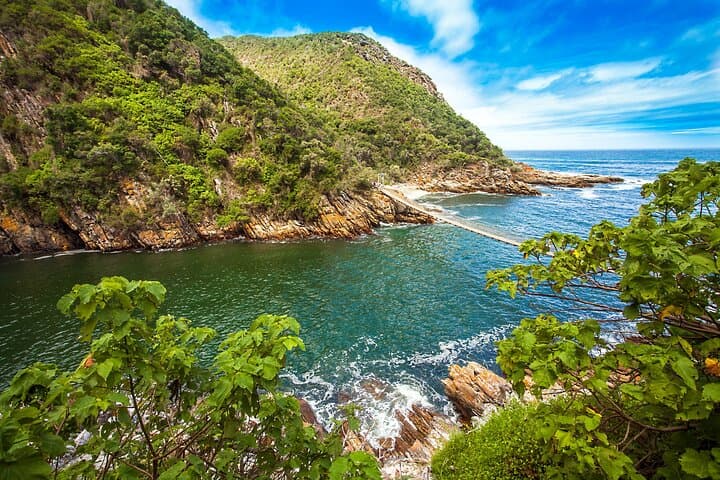
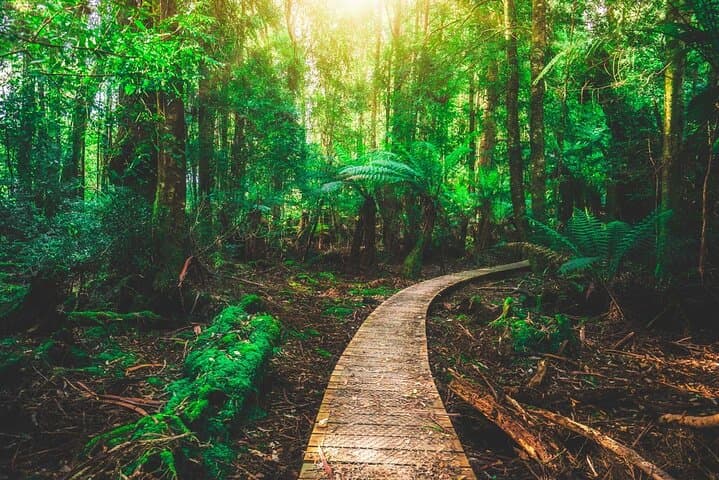
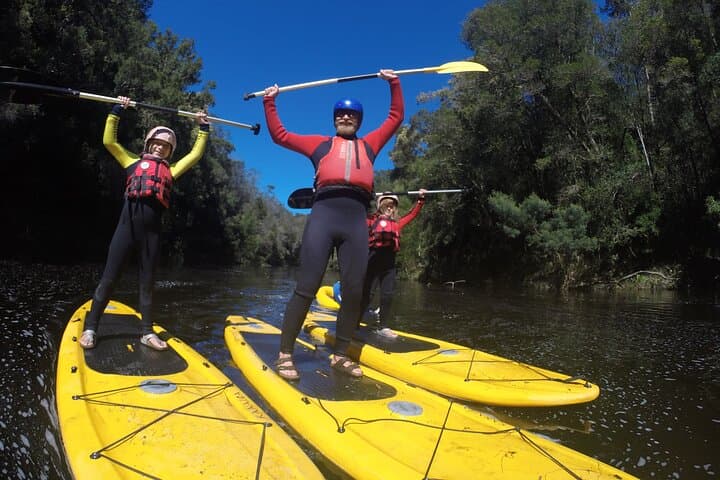
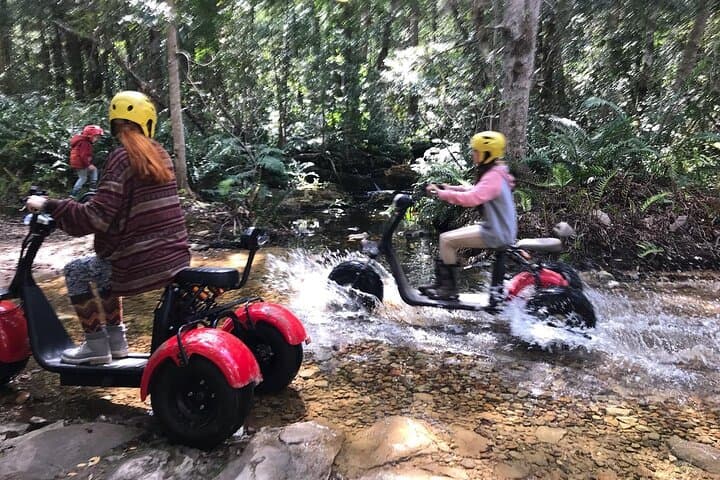
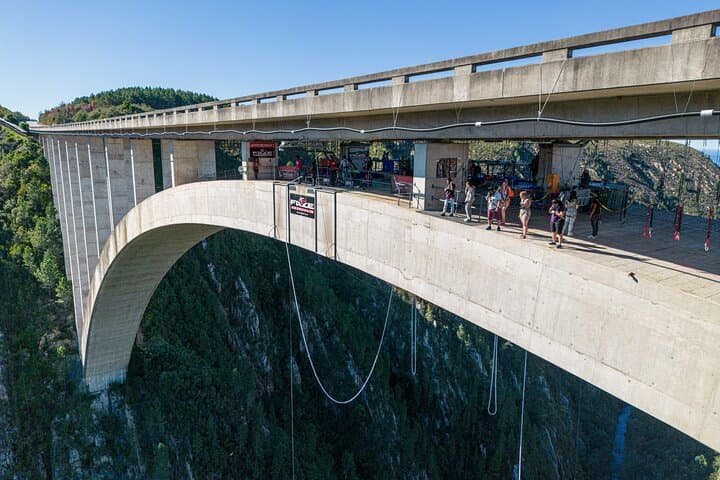
Tsitsikamma National Park, part of the Garden Route National Park, offers a dramatic coastline of sweeping beaches, dense indigenous forests, and prolific marine life. Spanning approximately 50 miles of coastline, the park is home to the first marine national park in Africa, protecting intertidal life, reef systems, and deep-sea ecosystems. Visitors can explore dense forests of Outeniqua Yellowwood trees that are over 800 years old, see the tidal pool at Storms River Mouth, and cross the iconic suspension bridge chasing panoramic views. Ecologically, the park supports various animal species, including the rare Knysna seahorse and Cape clawless otter. Formally established in 1964, the park's history is intertwined with indigenous Khoisan culture and early European exploration. Popular activities include hiking, with the Otter Trail representing a premier 5-day trek along the coast. Water activities are plentiful, from snorkeling and diving to kayaking in the Storms River. Annually, the park attracts thousands of visitors keen to experience both the adventure and tranquility of this coastal haven.